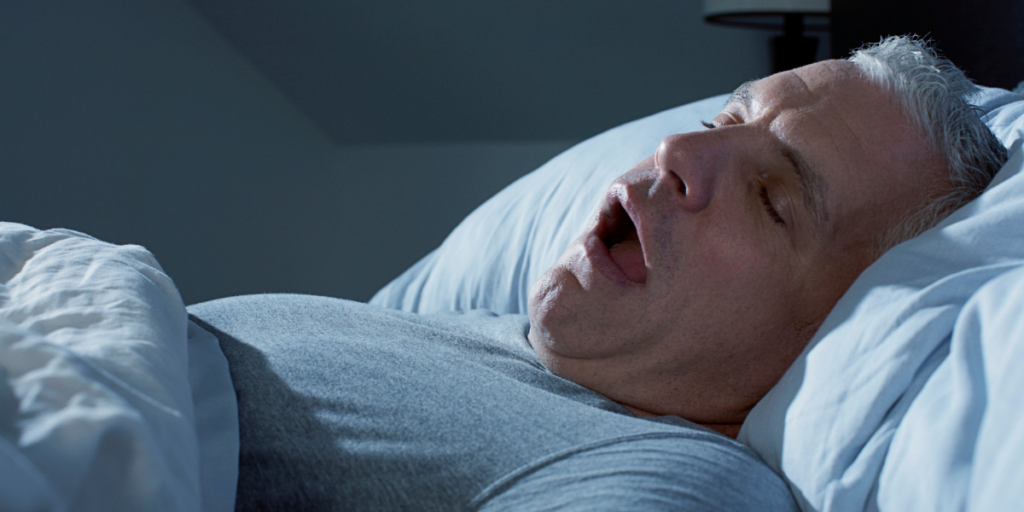
If you or your partner has noticed snoring, gasping, or restless nights, it makes sense to want to try lifestyle changes first. The good news is that several home remedies genuinely can reduce the severity of sleep apnea and snoring. The important part: they work best for mild cases, and they work better when you understand what’s actually happening during those restless nights.
This article walks you through the remedies with real evidence behind them, the ones that are mostly myth, and the signs that it may be time to get a professional opinion.
Note: Always consult your doctor or sleep clinician before making changes to your treatment plan.
Not All Sleep Apnea Is the Same
Before trying any home remedy, it helps to understand that sleep apnea exists on a spectrum. It’s measured by an AHI (Apnea-Hypopnea Index), the number of breathing interruptions per hour of sleep.
- Mild (AHI 5–14): Lifestyle changes and positional therapy can make a meaningful difference here.
- Moderate (AHI 15–29): Home remedies may offer some relief but are rarely sufficient on their own.
- Severe (AHI 30+): At this level, medical treatment is strongly recommended. Home remedies should be used to support therapy, not replace it.
If you haven’t been tested yet, it’s worth knowing your number before investing heavily in remedies that may not match your severity. Home sleep apnea testing is more accessible than most people realize.
Lifestyle Changes That Have Real Evidence
- Sleep on your side.
- When you sleep on your back, gravity pulls the soft tissues of the throat downward, narrowing the airway.
- Side sleeping is one of the most consistently supported positional strategies for reducing apnea events.
- A body pillow or positional wedge can help if you tend to roll onto your back during the night.
- Prop your head up.
- Elevating the head of your bed by 4 to 6 inches can help keep the airway open by reducing the pressure of soft tissue on the throat.
- Quit smoking.
- Smoking irritates and inflames the upper airway, increasing both the likelihood of obstruction and the severity of snoring.
- Quitting is one of the most impactful things you can do for sleep apnea and for your health overall!
- Limit alcohol and sedatives before bed.
- Alcohol relaxes the muscles in your throat, which increases the chance of airway collapse during sleep. The same applies to sleeping pills and other sedatives.
- Even moderate alcohol consumption within a few hours of bedtime can worsen apnea events significantly.
- Maintain a consistent sleep schedule.
- Sleep deprivation itself can worsen apnea severity by reducing muscle tone in the airway. Going to bed and waking up at the same time daily helps stabilize your sleep architecture and reduces fragmentation.
- Keep nasal passages clear.
- Nasal congestion forces mouth breathing, which dramatically increases snoring and apnea risk. Nasal strips, saline rinses, or treating underlying allergies can make a noticeable difference, particularly if congestion is a regular issue for you.
Throat Exercises to Reduce Snoring
Stronger throat muscles may help reduce the severity of snoring. Try these exercises daily to strengthen the muscles and keep them from collapsing:
- Tongue press: Press your tongue flat against the roof of your mouth and hold for 3 minutes. Repeat daily.
- Cheek resistance: Place a finger on the inside of your cheek and gently pull it outward while resisting with your cheek muscle. Do 10 repetitions per side, 3 times daily.
- Toothbrush tongue scrub: Hold your tongue flat against the bottom of your mouth and brush the top and sides with a toothbrush. Five brushing motions, three times a day.
- Balloon breathing: Take a deep breath through your nose, then exhale through your mouth to inflate a balloon as much as possible. Repeat 5 times without removing the balloon from your mouth. This strengthens the soft palate and uvula.
- Lip purse and stretch: Purse your lips as if about to kiss, then move them to the right and left 10 times. Repeat 3 times daily.
What Doesn’t Work As Well
A few common remedies are worth addressing honestly:
- Anti-snoring pillows and mouthpieces from the pharmacy.
- Over-the-counter devices vary widely in quality and are not fitted to your anatomy. Some people find relief; many don’t.
- If you’re interested in a mandibular repositioning device, a clinician-fitted oral appliance is significantly more effective.
- Essential oils and throat sprays.
- They may temporarily reduce snoring in some people, but they do not address airway obstruction.
- Sleeping with a humidifier alone.
- Humidity can ease nasal congestion and reduce throat irritation, which is helpful, but it doesn’t treat the underlying cause of apnea.
When Home Remedies Aren’t Enough
If you’ve been consistent with lifestyle changes for several weeks and you’re still waking up exhausted, still snoring heavily, or still experiencing the symptoms below, it’s a sign the underlying obstruction needs a proper assessment:
- Waking up with headaches or a dry mouth
- Gasping or choking during sleep (reported by a partner)
- Falling asleep unintentionally during the day
- Difficulty concentrating or memory issues
- Mood changes, irritability, or low motivation
These symptoms suggest your body isn’t getting the restorative sleep it needs and that’s not something lifestyle changes alone can fully address at moderate-to-severe severity.
Take a look at Resolve’s Solution Finder and find out which treatment option may be the right fit for you.
Frequently Asked Questions
Mild sleep apnea can improve significantly with lifestyle changes such as weight loss, quitting smoking, and changing sleep position. However, moderate-to-severe sleep apnea rarely resolves without medical treatment. Even if symptoms seem to improve, a follow-up sleep study is the only way to confirm whether apnea events have actually decreased.
Side sleeping, particularly on the left side, is generally considered the most beneficial position for reducing sleep apnea events. It reduces the gravitational pressure on the airway that occurs when lying on your back. Positional therapy devices can help maintain side sleeping throughout the night.
For some people with obesity-related sleep apnea, significant weight loss can substantially reduce AHI scores and may eliminate the condition in mild cases. However, sleep apnea also affects people at healthy weights, and weight loss alone does not reliably cure moderate-to-severe apnea. It’s best used as one part of a broader treatment plan.
Not always. Snoring can occur without sleep apnea. However, loud, frequent snoring accompanied by gasping, witnessed pauses in breathing, or daytime fatigue is a strong indicator that a sleep study is warranted. Snoring alone causes its own disruption (to you and your partner) and is worth addressing regardless.
If you experience two or more of the following regularly: loud snoring, daytime fatigue, morning headaches, mood changes, or witnessed pauses in breathing, a home sleep apnea test is a reasonable next step. It’s non-invasive, done in your own bed, and can give you clarity on whether treatment is needed.