Oral Appliance Therapy
If you’ve been diagnosed with obstructive sleep apnea (OSA) or struggle with chronic snoring, finding the right treatment matters. Oral appliance therapy (OAT) offers an effective, comfortable, discreet, and travel-friendly solution designed to help you breathe easier, sleep deeper, and wake up feeling refreshed.
What is Oral Appliance Therapy (OAT)?
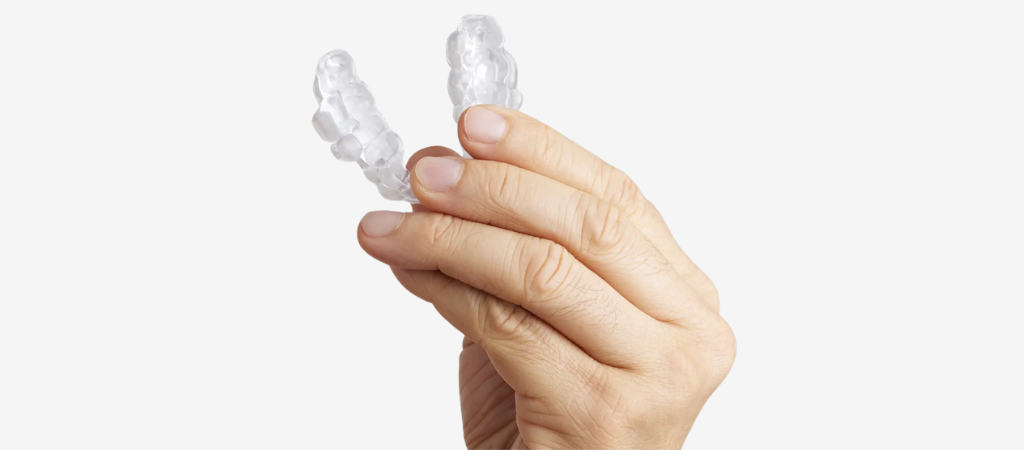
Oral appliance therapy uses a custom dental device – worn during sleep. It works by:
- Gently moving the lower jaw forward, or
- Stabilizing the tongue to prevent upper airway collapse
This helps maintain steady airflow and reduces interruptions in breathing caused by OSA.
These devices are most commonly recommended for:
- People with OSA of any severity, from mild to severe
- Chronic snoring
- Individuals who struggle with continuous positive airway pressure (CPAP) therapy
- Those who want a supplemental therapy option for portability, comfort, or lifestyle convenience.

Who Can Benefit from a Custom Oral Appliance?
People with Obstructive Sleep Apnea (OSA):
If you’ve been diagnosed with OSA, a custom oral appliance gently repositions your jaw or tongue, keeping your upper airway open throughout the night. This reduces snoring and apnea episodes, promoting restorative sleep.
Frequent Snorers:
Is snoring disturbing your sleep or your partner’s rest? Oral appliances help maintain an open upper airway, minimizing or eliminating disruptive snoring for peaceful nights.
CPAP Users Seeking Flexbility:
If you rely on CPAP therapy but need an alternative for travel or lifestyle convenience, a custom oral appliance can complement your current treatment.
Anyone Wanting Greater Comfort:
If you find CPAP masks uncomfortable or intrusive, custom oral appliances provide a more comfortable, minimally invasive option for OSA and snoring relief.
Our Process: Simple, Personalized Care

Consultation
Schedule an appointment with a Resolve Sleep Health clinician. If you and your primary care provider agree that OAT is right for you, our team will provide you with information about oral appliance therapy (OAT). We’ll help to get your OAT journey started.

Custom Fitting
A Dentist with specialized training in Dental Sleep Medicine will confirm that OAT is appropriate and take precise digital impressions of your teeth to create a custom-fitted oral appliance tailored to your needs.

Ongoing Support & Adjustments
Working closely with your dentist, we’ll help to support you while you adjust and ensure your oral appliance is working effectively.
Benefits of Oral Appliance Therapy

Oral appliance therapy (OAT) offers a simple, effective way to treat obstructive sleep apnea (OSA) and snoring. For many patients, it’s a comfortable and sustainable long-term solution.
- Because it’s comfortable and easy to use, many patients are consistent with OAT, leading to good long-term results.
- Treating OSA can help reduce risks associated with untreated sleep disorders, including high blood pressure, heart disease, and daytime fatigue.
- Unlike CPAP machines, oral appliances are completely silent and don’t require bulky equipment, helping both you and your partner sleep more peacefully.
- Unlike CPAP machines, there is less maintenance, with no masks, tubing, filters, or water chambers to regularly replace or resupply.
- Compact and portable, your oral appliance can go wherever you do.
The Difference of a Custom Oral Appliance
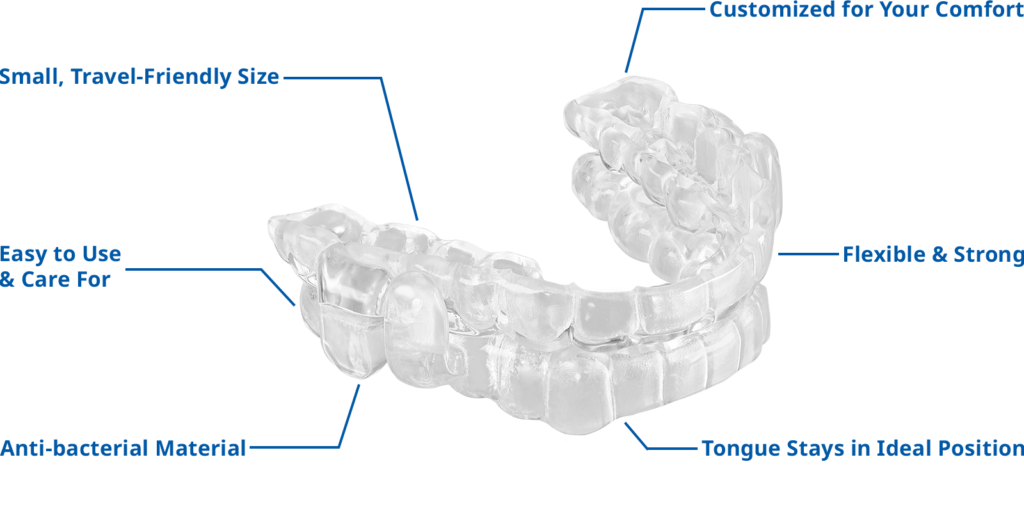
An Oral Appliance Therapy (OAT) Device is custom-milled and precision-engineered to fit your unique dental anatomy. These are not the generic, over-the-counter “boil and bite” appliances that often cause jaw or bite issues and lack durability, comfort, and effectiveness.
Here’s why custom-milled devices stand out:
- Effectiveness: Precision-engineered to help keep the upper airway open and reduce breathing interruptions during sleep.
- Personalized Fit: Created from digital scans of your teeth for secure retention and all-night comfort.
- Durability: Constructed from high-quality material that maintains its strength, shape, and performance over time.
- Bite and Jaw Protection: Carefully fitted and adjusted to minimize bite changes, jaw discomfort, and strain on the jaw joints.
- Safe & Easy Care: Made from medical grade, anti-bacterial material that is safe and simple to clean.
- Collaborative Care: Fitted, adjusted, and monitored long-term by dental professionals working alongside your sleep health providers.
Comfortable and Effective
Oral Appliance Therapy (OAT) is an effective, non-invasive treatment that fits easily into your lifestyle. Patients like OAT because it is:
Oral Appliance Therapy (OAT) vs Continuous Positive Airway Pressure (CPAP): Which Is Right for You?
CPAP therapy remains the gold standard for moderate to severe obstructive sleep apnea (OSA). However, some patients find it difficult to tolerate long-term.
OAT may provide a practical alternative if:
- You find CPAP uncomfortable
- You need a solution for travel or portability
- You have mild, moderate, or severe OSA
- You want a less invasive treatment option
Learn more about how these options compare in our guide: Oral Appliances: CPAP Alternatives for Restorative Sleep
FAQs
Is oral appliance therapy effective for obstructive sleep apnea?
Yes. OAT is a proven and effective treatment for OSA. Unlike store-bought mouthguards, Resolve’s OAT uses a custom, adjustable appliance that is fitted and monitored by a qualified dental provider in coordination with your sleep care team. It can reduce breathing events, oxygen drops, snoring, and disrupted sleep. Follow-up sleep testing is used to confirm that treatment is working.
Is an oral appliance basically just a mouthguard?
No. It is a custom-made dental device designed to reposition and stabilize the jaw to support the airway during sleep. It is prescribed for an appropriate patient, fitted by a qualified dental provider and adjusted as part of an ongoing treatment plan.
Is OAT only used for mild sleep apnea?
No. OAT may be considered for people with mild, moderate or severe OSA. Because we provide both PAP and OAT, your care team can recommend OAT, PAP, or a combination of both. The best treatment depends on your diagnosis, health risks, anatomy, ability to use PAP and personal preferences, not severity alone.
Will the appliance hurt or feel uncomfortable?
Some people experience temporary jaw tenderness, tooth sensitivity, dry mouth or increased saliva while adjusting. A custom fit, gradual titration and timely follow-ups can help manage these effects. Persistent pain should be reported rather than ignored.
Will OAT permanently change my bite?
Some people may experience small changes in tooth position or bite over time while using an oral appliance. Your dental provider will monitor your teeth and bite and take steps to reduce this risk. A morning occlusal guide and simple exercises may also be recommended to help your jaw and bite return to their usual position after nightly wear. Following your dental provider’s instructions and attending regular follow-up appointments are important for identifying and managing any changes early.
How is a custom oral appliance different from an over-the-counter anti-snoring product?
Store-bought devices and anti-snoring products are made for general use and do not provide the same personalized care as clinically managed OAT. A qualified dental provider trained in sleep medicine works with your sleep clinic team to provide a custom-fit, medical-grade appliance, professional adjustments, monitoring and follow-up testing. Without this support, a device may cause jaw or bite problems and may not effectively treat your obstructive sleep apnea.
Can I use an oral appliance if I already use PAP?
Possibly. Some people use OAT for travel or as part of combination therapy. In certain cases, combining the therapies may make PAP more comfortable or allow treatment at a lower pressure. Any change should be coordinated with your sleep clinician; do not stop or alter prescribed PAP therapy on your own.
How will I know whether OAT is working?
You may notice less snoring, fewer awakenings or improved daytime energy, but symptoms alone cannot confirm that OSA is controlled. Your care team may recommend an efficacy sleep study while you wear the appliance. This measures your breathing and oxygen levels and helps determine whether further adjustment is needed.
Can I get OAT from other dentists?
Other dentists may provide OAT and may use a variety of oral appliance devices. Resolve works with dental providers who use carefully selected OAT devices that are supported by strong clinical evidence and shown to be highly effective. Resolve takes a collaborative approach, with your dental provider and sleep clinic team working together to coordinate treatment, monitor your progress and confirm that your obstructive sleep apnea is being effectively treated.
How do I get a custom oral appliance?
Start by speaking with your Resolve Sleep Health team. We’ll help determine whether oral appliance therapy (OAT) is right for you and coordinate your care with your doctor and a qualified dentist trained in dental sleep medicine. The process includes a dental assessment and digital scans, custom fitting, gradual adjustments and follow-up testing.
How long does it take to get used to an oral appliance?
Most patients adjust to their oral appliance for obstructive sleep apnea (OSA) within a few nights. Comfort improves gradually as the mouth and jaw adapt to the custom-fit device. Some temporary side effects, such as mild jaw discomfort, dry mouth, or excess saliva, may occur during the adjustment period but typically resolve quickly. Regular follow-up helps ensure optimal fit, comfort, and effectiveness.
How do I care for my oral appliance?
Like any medical device, your oral appliance requires regular care to maintain its effectiveness, comfort, and durability. Daily cleaning helps prevent bacteria buildup, preserves the fit and function of the appliance, and can extend its lifespan. For detailed cleaning instructions and expert recommendations, read our guide: How to Maintain Your Oral Appliance: Expert Tips for Cleaning and Daily Use