

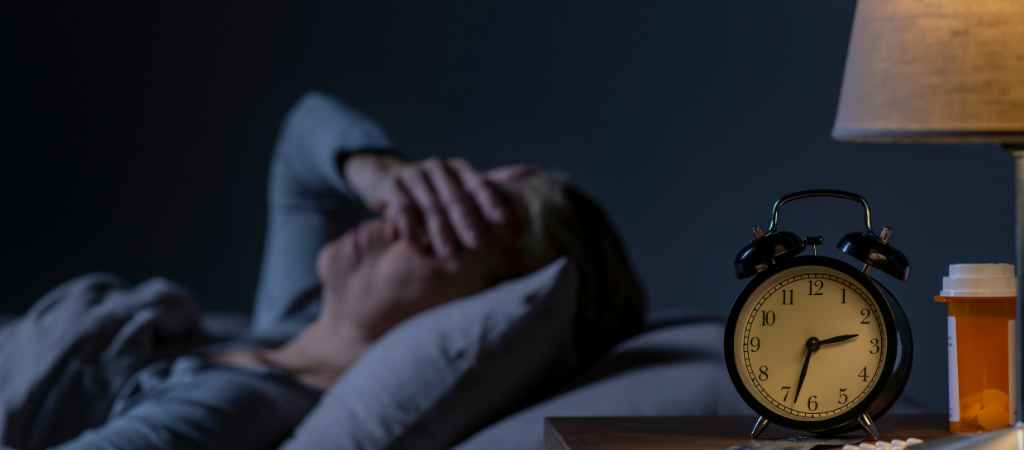
Sleep disorders affect millions of Canadians, impacting health, productivity, and quality of life. Two common conditions, insomnia and sleep apnea, often go undiagnosed. Both cause daytime fatigue and health risks but their diagnosis and treatment differ. Understanding their differences, symptoms, and treatment options is key to better sleep and overall well-being.
What is insomnia?
Insomnia is the difficulty falling asleep, staying asleep, or waking too early despite enough time in bed; can be acute or chronic and often impacts mood, cognition, and function. [publications.gc.ca]
What causes insomnia?
Insomnia often stems from stress, anxiety, depression, poor sleep habits, or medical conditions. Lifestyle factors like caffeine intake and irregular schedules can also contribute.
What is sleep apnea?
Sleep apnea is a disorder where breathing pauses repeatedly during sleep, reducing oxygen levels and causing poor rest. Common signs include loud snoring, choking during sleep, and excessive daytime fatigue.
Key differences between insomnia and sleep apnea
| Feature | Insomnia | Sleep Apnea |
| Definition | Difficulty falling or staying asleep | Breathing repeatedly stops during sleep |
| Symptoms | Trouble sleeping, fatigue, irritability | Loud snoring, gasping, daytime sleepiness |
| Risk Factors | Stress, anxiety, poor sleep habits | Obesity, age, airway obstruction |
Quick Facts (Canada)
- Insomnia prevalence: About 25% of adults report sleep dissatisfaction; 6–10% meet insomnia disorder criteria (definitions vary).
- Insufficient sleep: 1 in 4 to 1 in 3 Canadian adults aren’t meeting recommended sleep duration by age group.
- Sleep apnea diagnosis: 6.4% of Canadians (2016–2017) report a professional diagnosis; earlier surveys showed ~3% (adults) and 26% at high risk based on symptoms/risk factors.
How Are Insomnia and Sleep Apnea Related?
Although insomnia and sleep apnea are distinct disorders, they often overlap. Many people with sleep apnea experience insomnia symptoms, such as difficulty falling asleep or staying asleep, due to frequent breathing interruptions and nighttime awakenings. This combination is called COMISA (Co-Morbid Insomnia and Sleep Apnea) and requires a tailored treatment approach.
How are insomnia and sleep apnea treated?
Insomnia treatment includes CBT-I (Cognitive Behavioral Therapy for Insomnia), relaxation techniques, and lifestyle changes. Sleep apnea often requires CPAP therapy, oral appliances, or weight management.
What is a Sleep Study and When to Consider?
A sleep study monitors breathing, heart rate, and brain activity overnight. It’s essential for diagnosing sleep apnea and ruling out other disorders.
Consider a sleep study if you have:
- Loud snoring or gasping during sleep
- Frequent awakenings or insomnia symptoms
- Excessive daytime fatigue despite adequate sleep
- Conditions like high blood pressure, diabetes, or heart disease
Next Steps: Take Control of Your Sleep Health
Resolve Sleep Health offers home-based sleep apnea tests (HSAT) and in-lab polysomnography (PSG) for accurate diagnosis.
Getting started is easy. Talk to your family physician for a referral or book a consultation with our Sleep Health experts for personalized guidance.
No physician? No problem. Our team is here to help—schedule an appointment today.