

What is a Sleep Study?
Quality sleep is not just a luxury; it’s a fundamental aspect of overall health and well-being. However, for many individuals, achieving restful sleep can be a challenge. Sleep studies play a vital role in diagnosing underlying sleep disorders and providing targeted treatments to improve sleep quality and overall health.
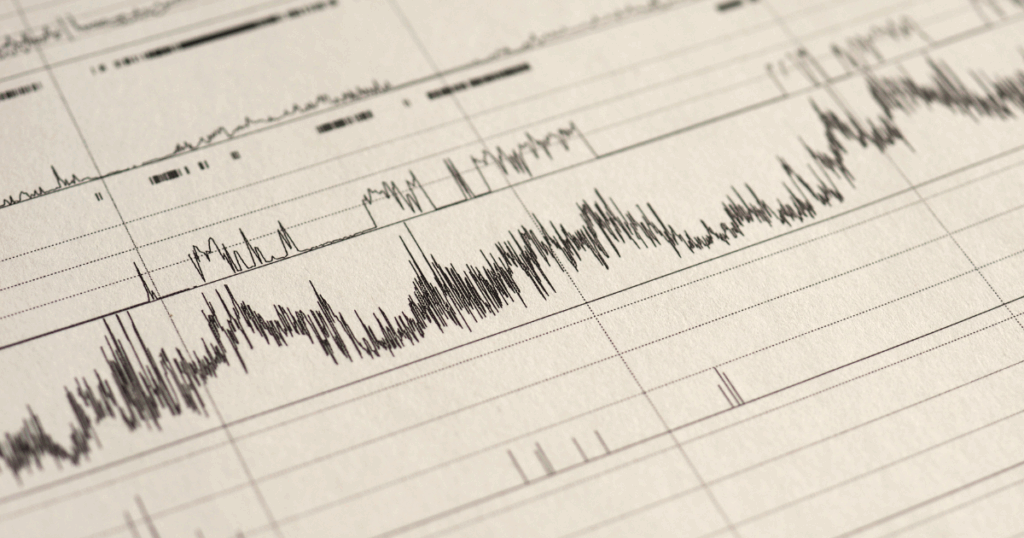
A Sleep study is a non-invasive overnight test that records your oxygen levels, heart rate, airflow, snoring, and other parameters while you are asleep. A Sleep study aims to determine if you have a sleep disorder and what treatment may best suit your needs.
Learn more about Home Sleep Apnea Test vs. Polysomnography.
Who needs a sleep study?
If you find yourself snoring loudly, waking up with morning headaches, and nodding off during the day, it’s high time to consider a sleep study. These symptoms are common symptoms of Sleep Apnea. Obstructive Sleep Apnea (OSA) is a common sleep disorder that is caused by repeated upper airway collapse during sleep. Signs and symptoms of obstructive and central sleep apnea often overlap, sometimes making it difficult to determine which type you have. To help diagnose, we urge you to book a consultation with our experts.
Preparing for a Sleep Study
Preparing for a sleep study involves more than just what you do; it’s also about what you shouldn’t do.
To ensure accurate results and a successful evaluation, check out what to limit before your sleep study. By restricting these factors, you can ensure that your sleep study provides accurate results that reflect your typical sleep patterns.
- Limit consumption of caffeine, alcohol, and marijuana on the day of the study.
- If you smoke or use nicotine products, limit their use before the study.
- Refrain from eating heavy, rich, or spicy meals close to bedtime.
- Limit intense exercise on the day of the study.
Also, note that the amount of sleep required for a sleep study can vary depending on the study’s specific purpose and protocol. In general, a standard overnight sleep study typically involves monitoring your sleep for a required minimum of 4 hours; however, 6-8 hours is preferred. This timeframe allows for a comprehensive assessment of your sleep patterns, including the different sleep stages and any potential disruptions or abnormalities.
If you have questions or concerns before your sleep study, contact your clinic, and we’ll guide you through the process.
Why You Should Get a Diagnosis
- Untreated sleep disorders can have profound effects on physical and mental health, including increased risk of cardiovascular disease, diabetes, obesity, depression, and impaired cognitive function.
- Life with treated sleep apnea results in significant improvements in sleep quality, rest, mood, focus, and clarity, along with the possibility of decreased blood pressure, blood sugar, and other health-related concerns.
- Diagnosis opens the door to a variety of treatment options, including lifestyle modifications, continuous positive airway pressure (CPAP) therapy, medication, and behavioral therapies.
Recognizing the signs that indicate the need for a sleep test is the first step toward addressing underlying sleep disorders and improving sleep quality. Seeking professional help and undergoing a sleep study can provide valuable insights into your sleep health and pave the way for effective treatment and management strategies. Prioritizing better sleep is essential for overall well-being and quality of life.
We at Resolve Sleep Health are dedicated to helping you achieve the restful sleep you deserve. Our team of experienced sleep specialists is here to guide you through every step of the process, from consultation to diagnosis and personalized treatment plans. Find a clinic near you and take the first step toward better sleep today.