

Weight loss, whether through lifestyle changes, surgery, or medication, can improve the symptoms of obstructive sleep apnea (OSA). However, for most people, it’s not a complete solution for treating sleep apnea. Sleep apnea isn’t solely related to weight; other factors, such as airway anatomy and muscle tone, also play a significant role in this condition.
70% of patients suffering from obstructive sleep apnea are overweight or obese.1
If you use CPAP therapy, strictly adhering to your treatment plan can aid weight management by improving sleep quality, energy levels, and metabolism. Untreated sleep apnea and weight gain are closely linked, with each condition potentially worsening the other.
Here’s how1,2:
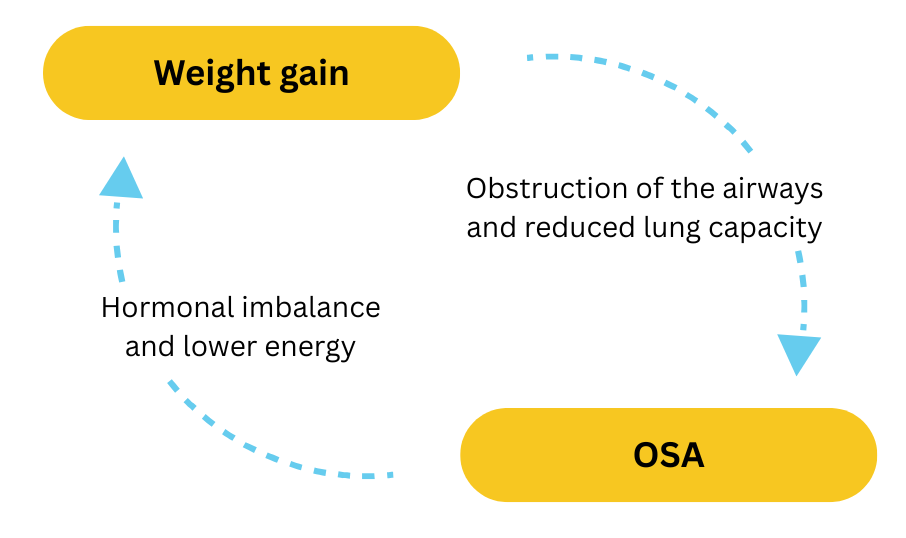
- Untreated sleep apnea contributes to weight gain: Poor sleep disrupts the hormones that control hunger (ghrelin and leptin), increasing appetite and cravings for high-calorie foods. Fatigue associated with untreated sleep apnea also reduces motivation to exercise.
- Weight gain worsens sleep apnea: Excess weight, particularly around the neck, increases airway obstruction during sleep, making apnea episodes more frequent and severe.
- Treatment can help break this cycle: Because it improves sleep quality, CPAP therapy can help regulate hunger hormones, increase your energy, and support your weight management efforts. Weight loss can decrease the amount of fatty tissue around the neck and, therefore, reduce the severity of sleep apnea.3
While weight loss can lessen the severity of sleep apnea, it is not a cure. Therefore, it is important to remain consistent with your CPAP therapy! The same is true for weight loss. CPAP alone will not make you lose weight, but it is a valuable tool that supports your efforts by improving your sleep, increasing your energy, and helping to regulate your hunger hormones.4
Weight gain or loss can affect the fit of your CPAP mask and the severity of your sleep apnea. Therefore, you may need to adjust your CPAP settings. If your weight has changed and you need to adjust your therapy accordingly, please let us know!
Disclaimer:
This information is provided for general education purposes only. If you have questions about weight management or other health-related topics, please consult a healthcare professional such as a doctor or nurse practitioner.
References :
1- Mokhlesi B, et coll. Obesity and Obstructive Sleep Apnea: A Bidirectional Relationship. Sleep Med Clin, 2010.
2- Foster GD, et coll. Impact of Weight Loss on Obstructive Sleep Apnea. Am J Respir Crit Care Med, 2009.
3- Drucker DJ., et coll. GLP-1 Agonists and Obesity-Related OSA Management. Journal of Clinical Endocrinology & Metabolism, 2022 (s’il n’a pas été ajouté avant).
4- Finigan, J., et coll. (2021). Combining CPAP and GLP-1 agonists in the treatment of obstructive sleep apnea: An emerging strategy for patients with obesity and diabetes. Endocrinology and Metabolism Clinics of North America, 50(4), 743-756.