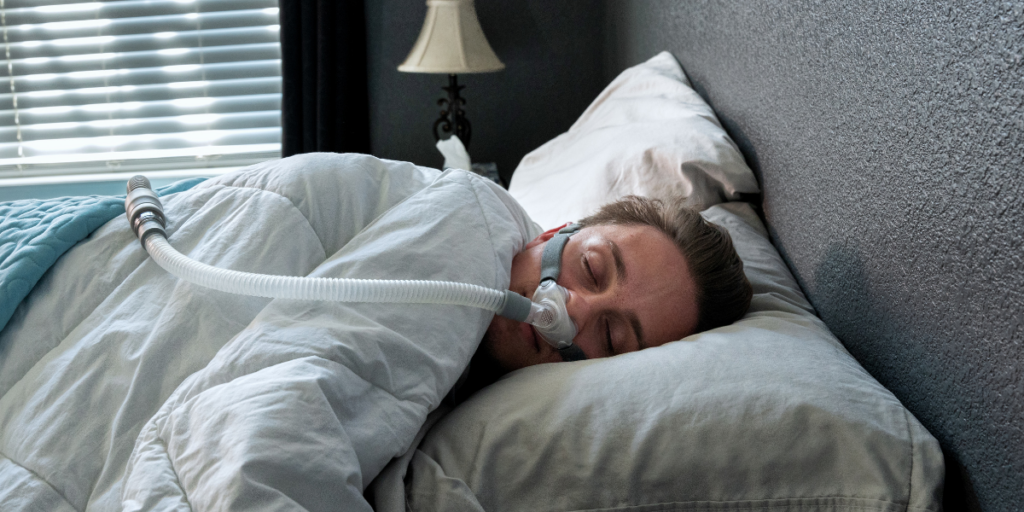
Continuous Positive Airway Pressure (CPAP) therapy is the gold standard treatment for obstructive sleep apnea, helping keep your airway open and improving sleep quality. But like any medical therapy, there can be an adjustment period.
If you’re new to CPAP or experiencing challenges, understanding the most common issues and how to solve them can help you stay consistent with therapy and get the full benefits of treatment.
1. CPAP Mask Leaks
One of the most common CPAP problems is air leaking from the mask. When air escapes, the machine can’t maintain the correct pressure needed to keep your airway open, which can reduce the effectiveness of therapy.
Leaks can also cause other issues, including:
- Air blowing into your eyes
- Dry mouth or dry nose
- Noise that disrupts sleep
How to Fix CPAP Mask Leaks
Try these solutions:
- Adjust the mask fit: Make sure your mask sits comfortably against your face without being overly tight.
- Check the mask size or style: Different masks work better for different faces and sleeping positions. A Resolve sleep clinician at a clinic near you can help you find the best option.
- Clean the mask regularly: Facial oils can break the seal between the mask and your skin, leading to leaks.
- Replace worn parts: Over time, cushions and headgear wear out and may need replacement.
If leaks continue, your sleep care team can help troubleshoot and adjust your setup.
2. CPAP Mask Discomfort or Skin Irritation
Some CPAP users experience soreness, pressure marks, or irritation where the mask touches their face. This is often caused by a mask that is too tight or poorly fitted.
Discomfort can make it harder to stay consistent with therapy, but small adjustments can usually fix the issue.
How to Improve CPAP Comfort
- Loosen overly tight straps: The mask should feel secure but not painful. Tightening it too much can actually cause leaks and pressure marks.
- Try the AeroMate CPAP Moisturizing Lotion: AeroMate CPAP Moisturizing Lotion helps to alleviate mask leaks and skin irritation with its non-petroleum and aloe based formula by soothing sensitive skin while simultaneously sealing around the CPAP mask.
- Test different mask styles: Some people find nasal pillows or smaller masks more comfortable.
- Adjust humidification settings: Dry air from the machine can irritate your nose or face if humidity levels are too low.
Consistency is key when adjusting to therapy. Our guide on how to fall in love with your CPAP shares helpful strategies for making treatment more comfortable.
3. Trouble Tolerating CPAP Air Pressure
Some users feel like the airflow is too strong or uncomfortable when they first start therapy. This sensation is common during the adjustment period and usually improves as your body gets used to the airflow.
How to Manage CPAP Pressure
- Use the ramp feature: Many CPAP machines start at a lower pressure and gradually increase as you fall asleep.
- Talk to our sleep clinicians: If pressure still feels uncomfortable, your sleep clinician may adjust your settings.
- Practice wearing the mask during the day: Getting used to the sensation while awake can make it easier to tolerate at night.
Remember: CPAP pressure is carefully set to treat your sleep apnea effectively. Always consult your Resolve sleep clinician before changing settings.
4. CPAP Mask Fit Issues
A mask that moves during the night or doesn’t seal properly can make therapy frustrating. Fit problems are one of the most common reasons people struggle with CPAP.
How to Improve Mask Fit
- Fit the mask while lying down: Your face changes slightly when you’re in your sleeping position.
- Avoid over tightening straps: Many masks seal using airflow pressure, not strap tension.
- Check headgear condition: Worn straps can stretch out and prevent a proper seal.
- Work with your Resolve sleep clinician: A proper mask fitting can dramatically improve comfort and therapy success.
5. Dry Mouth or Nasal Congestion
CPAP therapy can sometimes cause dry mouth, nasal congestion, or irritation, especially if there are mask leaks or if you breathe through your mouth while sleeping.
How to Reduce Dryness
- Use a heated humidifier: Many CPAP machines include humidification to add moisture to the airflow.
- Try a different mask type: A full-face mask may help if you breathe through your mouth.
- See: CPAP Tips for Colder Weather: Using your CPAP machine in cold weather can sometimes feel different than during warmer months.
Staying Consistent With CPAP Therapy
The most important thing to remember is that adjusting to CPAP takes time. Many people need a few weeks to fully adapt to therapy.
Staying consistent is essential because regular use helps:
- Improve sleep quality
- Reduce daytime fatigue
- Lower health risks associated with untreated sleep apnea
If you’re struggling, this resources may help:
When to Contact a Sleep Clinic
If CPAP problems persist despite adjustments, professional support can make a big difference.
At Resolve Sleep Health, our team helps patients overcome CPAP challenges so they can sleep better and stay consistent with therapy.
Frequently Asked Questions
CPAP mask leaks usually happen when the mask is the wrong size, the headgear is too loose or too tight, or the mask cushion has worn out. Cleaning the mask regularly, adjusting the straps, or trying a different mask style can help create a better seal and prevent leaks.
Yes. Many people need a few weeks to adjust to CPAP therapy. Minor discomfort, pressure sensations, or mask irritation are common during the early stages of treatment. Working with a sleep clinic to adjust mask fit and pressure settings can make therapy more comfortable.
If your CPAP pressure feels uncomfortable, try using the ramp feature so the airflow starts lower and gradually increases as you fall asleep. If the pressure continues to feel too strong, contact your sleep clinician before changing settings so they can safely adjust your therapy.