

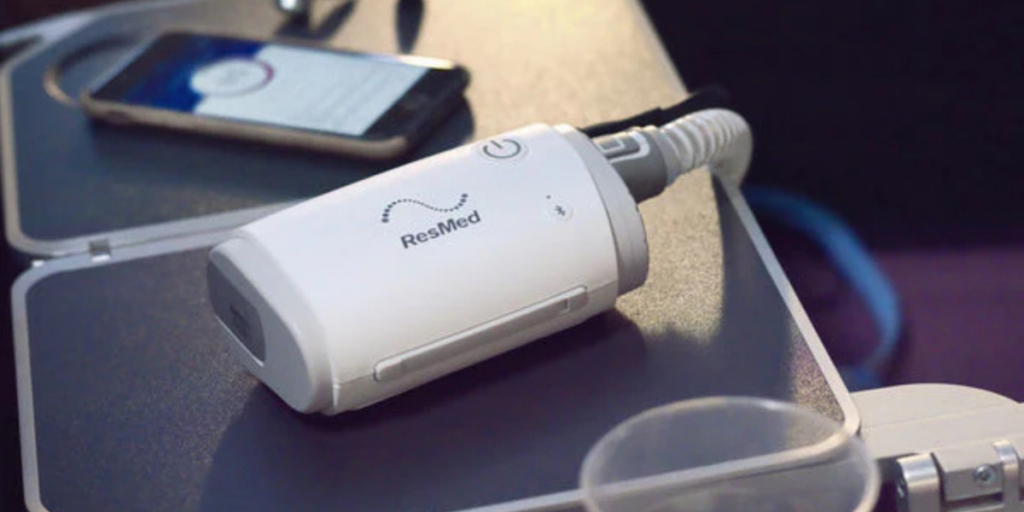
Traveling with CPAP therapy doesn’t have to be complicated. Whether you’re flying across the country or heading out on a road trip, it’s entirely possible to maintain your sleep apnea treatment while away from home.
In fact, staying consistent with CPAP therapy while traveling is essential for maintaining good sleep quality, avoiding daytime fatigue, and protecting your long-term health. With a little preparation, you can travel comfortably and keep your therapy on track.
Below are practical tips to help you travel confidently with your CPAP machine.
Can You Travel With a CPAP Machine?
Yes. CPAP machines are designed to be portable and can be safely used while traveling. Airlines, hotels, and transportation providers are familiar with CPAP equipment because many people rely on it for sleep apnea treatment.
Most modern CPAP machines are compact and easy to pack, making them suitable for:
- Flights
- Road trips
- Camping trips
- Business travel
- International travel
The key is planning ahead so you have everything you need for uninterrupted therapy.
Tips for Flying With a CPAP Machine
Air travel is one of the most common concerns for CPAP users. Fortunately, airlines allow CPAP machines on board and they do not count as part of your carry-on luggage in most cases.
- Pack Your CPAP in Carry-On Luggage
- Always keep your CPAP machine with you rather than checking it with baggage. This helps prevent damage or loss.
- Most machines come with a travel case specifically designed for air travel.
- Bring Necessary Accessories
- Before leaving, make sure you pack:
- Mask and headgear
- CPAP tubing
- Power cord and adapters
- Distilled water for the humidifier (or purchase at your destination)
- Having a small travel checklist can help ensure nothing gets forgotten.
- Before leaving, make sure you pack:
- Bring a Copy of Your Prescription
- While it’s rarely requested, bringing a prescription can help if airport security or airline staff ask about your device.
- Consider a Portable CPAP Battery
- Some long flights or delays may limit access to outlets. A CPAP battery backup can help ensure you can use your machine overnight if needed.
Tips for Using CPAP on a Road Trip
Road trips are often easier for CPAP users because you have more control over your equipment and travel schedule.
- Pack Your Equipment Securely
- Place your CPAP machine in a protective case and keep it accessible in the car rather than packed in the trunk.
- Bring Extra Supplies
- Long trips are a good time to carry extra items such as:
- Having spare parts can save you from therapy interruptions.
- Plan for Power Access
- If you’re staying in hotels, power outlets will usually be available near the bed. If you’re camping or staying somewhere without electricity, consider:
- A portable CPAP battery
- A travel CPAP machine designed for off-grid use
- If you’re staying in hotels, power outlets will usually be available near the bed. If you’re camping or staying somewhere without electricity, consider:
- Maintain Your Cleaning Routine
- Even while traveling, it’s important to keep your equipment clean to maintain hygiene and performance.
How to Make CPAP Travel Easier
Traveling with CPAP therapy becomes easier with a few simple habits.
- Practice Packing Before Your Trip
- If you’re traveling for the first time with CPAP, practice packing your machine and accessories in advance.
- Stick to Your Sleep Routine
- Jet lag and schedule changes can make sleep more difficult. Using your CPAP consistently helps maintain your sleep quality while adjusting to new environments.
- Make Comfort Adjustments for Climate
- Temperature changes while traveling can affect your therapy. For example, colder environments may require different humidifier settings. Our guide on CPAP tips for colder weather offers helpful advice.
Traveling Internationally With CPAP
If you’re traveling internationally, a few extra considerations can help ensure smooth therapy.
- Check voltage compatibility
- Many CPAP machines automatically adjust to different voltages, but you may still need a plug adapter.
- Bring distilled water when possible
- If distilled water isn’t available, bottled water can be used temporarily.
- Review airline policies in advance
- If you plan to use your CPAP during a flight, confirm airline policies before departure.
Staying Consistent With CPAP While Traveling
One of the biggest challenges when traveling is maintaining a routine. However, skipping CPAP therapy, even for a few nights, can lead to poor sleep and daytime fatigue.
Consistency helps ensure that you continue receiving the full benefits of treatment.
If you’re struggling to adapt to therapy while traveling or at home, our guide on how to fall in love with your CPAP offers practical tips to make treatment more comfortable.
Get Support for Your CPAP Therapy
Travel should not prevent you from getting the sleep treatment you need. With the right preparation and equipment, CPAP therapy can easily fit into your travel plans.
At Resolve Sleep Health, our team supports patients through every stage of therapy, from screening to equipment setup and ongoing support.
If you have questions about traveling with CPAP or need help optimizing your treatment, learn more about our CPAP therapy services and how we help patients manage sleep apnea successfully.
Frequently Asked Questions
Yes. CPAP machines are considered medical devices and are allowed on most airlines. They usually do not count toward your carry-on limit, but it’s still a good idea to check your airline’s policies before traveling.
No, most standard CPAP machines are portable and designed for travel. However, some people choose smaller travel CPAP models for convenience, especially for frequent travel or camping trips.
It’s not recommended. Skipping CPAP therapy even for a few nights can cause poor sleep, daytime fatigue, and the return of sleep apnea symptoms. Bringing your CPAP with you helps maintain consistent treatment and better sleep while away from home.