CPAP Therapy
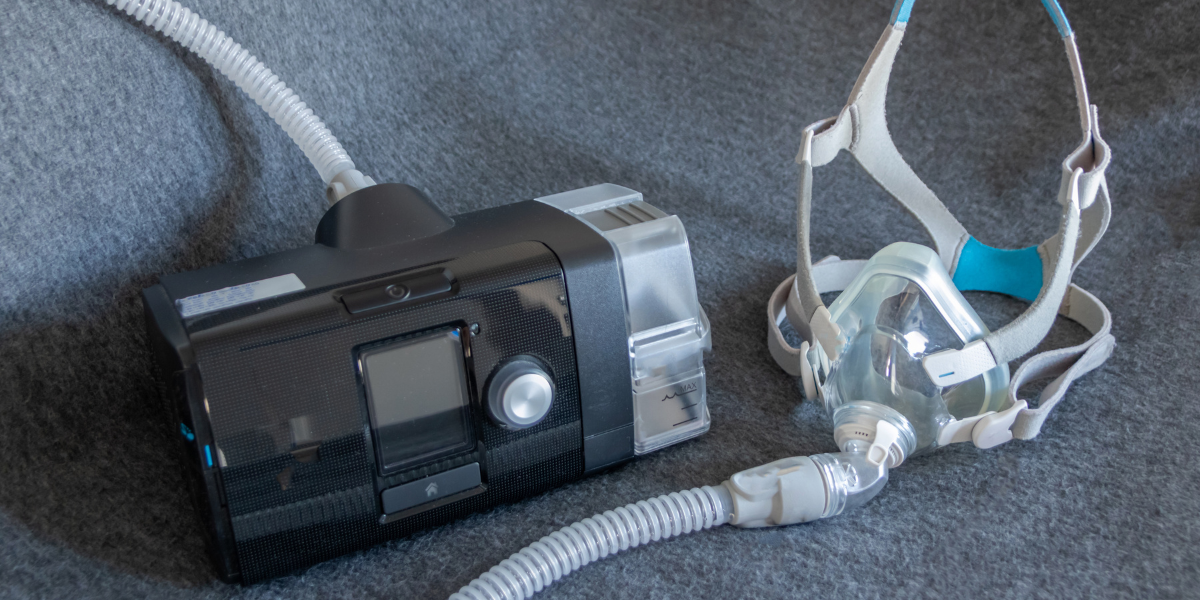
Continuous Positive Airway Pressure (CPAP) therapy is the gold-standard treatment for moderate to severe obstructive sleep apnea. It delivers a steady stream of pressurized air through a mask to keep the airway open during sleep, preventing breathing pauses and oxygen drops.
CPAP therapy is prescribed following a sleep study and customized to each patient’s breathing patterns and pressure needs.
Key Features of CPAP Therapy
CPAP Machine
Delivers consistent air pressure to maintain open airways. We offer the latest devices from manufacturers such as ResMed and Philips here. Our partnership with both manufacturers ensures you receive state-of-the-art equipment tailored to your individual needs and preferences for the best possible treatment outcomes.
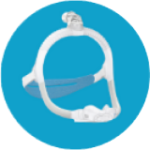
Mask
The mask is the interface between the machine and the patient. It delivers pressurized air into the airway. There are three main types:
- Nasal mask – Covers the nose
- Nasal pillow mask – Rests under the nostrils
- Full-face mask – Covers both nose and mouth
Mask selection depends on breathing habits, comfort preferences, and facial structure. Find the latest CPAP masks here.
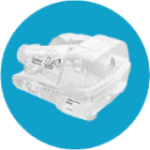
Humidifier
The humidifier adds moisture to the air, prevents dry mouth and nasal irritation, andImproves comfort and compliance.
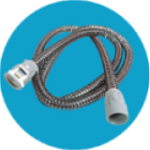
Tubing
The tubing connects the machine to the mask. Its purpose is to deliver pressurized air from the machine to the mask, maintain consistent airflow, and prevent pressure loss. Some tubing options are heated to reduce condensation buildup (often called “rainout”).
How Does CPAP Therapy Work?
When the machine is turned on:
- The motor generates pressurized air.
- Air passes through the filter.
- The humidifier adds moisture (if enabled).
- Air travels through the tubing.
- The mask delivers airflow to keep the airway open.
CPAP therapy works by:
- Delivering continuous air pressure
- Preventing airway collapse
- Stabilizing oxygen levels
- Reducing sleep disruptions
Pressure settings are determined by your sleep study results to ensure effectiveness and comfort.
Who Is CPAP Therapy Recommended For?

What Are The Benefits of CPAP Therapy?
When used consistently, CPAP therapy can:
- Reduce daytime fatigue
- Improve concentration and mood
- Lower blood pressure
- Decrease risk of heart disease and stroke
- Improve overall sleep quality
- Reduce loud snoring
How Long Does It Take To Adjust to a CPAP Machine?
Some patients feel better within a few days. Others may take several weeks to fully adapt. Success depends on:
- Proper mask fit
- Correct pressure settings
- Consistent nightly use
- Ongoing support and follow-up
See related resources below:

How To Care For Your CPAP Equipment
Recommended Replacement Schedule
- Air Filters: Every month
- Water Chamber: Every 6 months
- CPAP Mask: Every 6 months
- Tubing: Every 6 months
- CPAP Machine: Every 5 years
There may be variability across manufacturers. Please check with your clinician to confirm.
See related resources below:
Daily Cleaning Schedule
- CPAP Mask Pillow/Cushion & Frame: Wipe these components daily using either a damp cloth with soapy water, or CPAP cleaning wipes. This removes facial oils and helps maintain a proper seal every night.
- Water Chamber: Empty remaining water daily and allow the water chamber to air dry. Never leave water sitting inside the chamber between uses, as this encourages bacterial growth.
Weekly Cleaning Schedule
Once a week, give your CPAP equipment a deeper clean to keep everything fresh and hygienic.
- Prepare a Warm, Soapy Solution
- Soak Components for 10 Minutes
- Rinse Thoroughly
- Air Dry Completely
- Remove Mineral Deposits (If Needed)
CPAP vs Other Sleep Apnea Treatments
Read more about CPAP Therapy vs. Oral Appliance Therapy for Sleep Apnea.
Frequently Asked Questions
Is CPAP therapy safe?
Yes. CPAP therapy is non-invasive and widely studied. Side effects are typically mild and manageable.
What happens if I stop using CPAP?
Sleep apnea symptoms usually return immediately, increasing long-term health risks.
Can I travel with my CPAP machine?
Yes. Most machines are portable and airline-approved. Read more about CPAP Therapy on the Go.
Does insurance cover CPAP therapy?
Many insurance plans provide partial or full coverage for prescribed CPAP equipment. We urge you to check directly with your insurance provider.
How many hours per night should I use CPAP?
CPAP therapy should be used every time you sleep, including naps. Most providers recommend at least 4 hours per night, but optimal health benefits occur with full-night use (6–8 hours). Consistency is essential for reducing sleep apnea symptoms and long-term health risks.
Can CPAP therapy cure sleep apnea?
CPAP therapy does not cure sleep apnea, but it is the most effective treatment for managing moderate to severe obstructive sleep apnea. It controls symptoms by preventing airway collapse during sleep.
Is CPAP therapy uncomfortable?
CPAP therapy should not be painful. Mild discomfort during the adjustment period is common, but proper mask fitting, pressure calibration, humidification, and follow-up support significantly improve comfort and long-term success.
How long does a CPAP machine last?
Most CPAP machines last 3 to 5 years with proper maintenance. Regular filter changes and cleaning help extend the life of the device and ensure consistent therapy performance.
Can I use CPAP if I breathe through my mouth?
Yes. If you breathe through your mouth, a full-face mask is typically recommended. Some patients may also use a chin strap with a nasal mask to prevent air leaks.
Does CPAP therapy help with snoring?
Yes. CPAP therapy is highly effective at reducing or eliminating snoring caused by obstructive sleep apnea because it keeps the airway open throughout the night.
Will I need CPAP for the rest of my life?
Many patients require long-term CPAP therapy. However, changes in weight, anatomy, or medical treatment may alter therapy needs. Regular follow-up evaluations help determine whether adjustments are necessary.
Why is my CPAP making noise?
Most CPAP machines are very quiet. Noise may be caused by:
- Mask air leaks
- Loose tubing connections
- Worn-out parts
- Filter blockage
Routine maintenance and part replacement typically resolve noise issues.
What side effects can CPAP therapy cause?
Common side effects are usually mild and manageable, including:
- Dry mouth
- Nasal congestion
- Skin irritation
- Mild bloating (aerophagia)
Proper mask fitting and humidification reduce most side effects.